
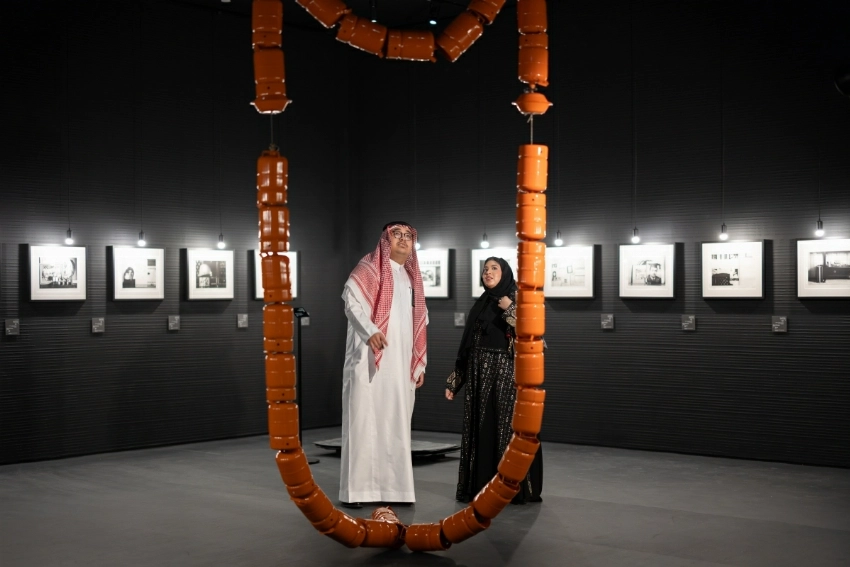
The Black Gold Museum in Riyadh is one of the capital’s newest cultural landmarks, but it is not a conventional museum about drilling, machinery, or industrial history. Instead, it tells the story of oil through art, culture, memory, and human experience, inviting visitors to reflect on how petroleum shaped cities, economies, daily life, and modern imagination. Located at King Abdullah Petroleum Studies and Research Center (KAPSARC), the museum opened in April 2026 and was presented as the first permanent museum of its kind dedicated to oil through an artistic lens.
This is not only a stop for energy enthusiasts. It is also a thoughtful destination for travelers who want to understand a major chapter of Saudi Arabia’s story in a more contemporary, accessible, and visually rich way. In a city where heritage, architecture, and innovation increasingly sit side by side, the museum adds a fresh cultural layer to Riyadh’s growing museum scene.
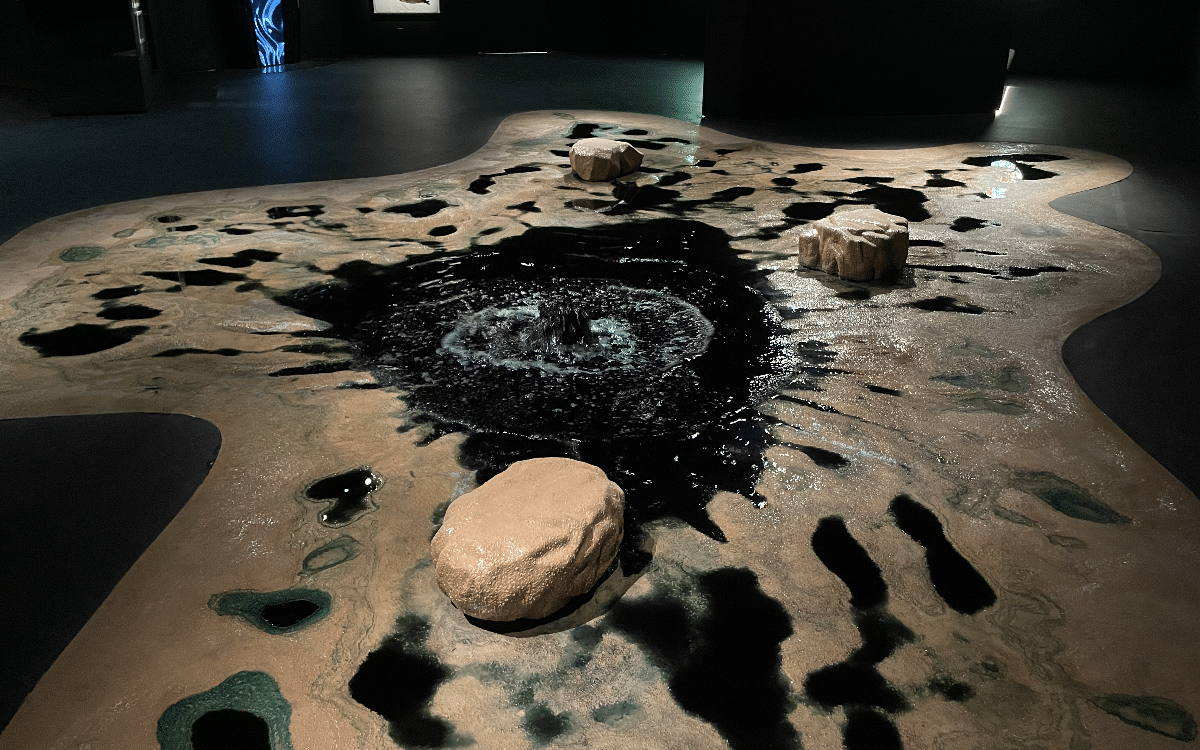
What Is the Black Gold Museum in Riyadh?
The Black Gold Museum is a permanent museum dedicated to oil, first announced in 2020 by Saudi Arabia’s Ministries of Culture and Energy. It was developed under the Quality of Life Program as part of the “Specialized Museums” initiative, which aims to strengthen the Kingdom’s cultural offering and create museums focused on distinct creative and intellectual themes.
What makes the museum stand out is its concept. It's a place that approaches oil through an artistic, cultural, and human lens, rather than as a traditional science or industry museum. That distinction matters. Saudi Arabia’s oil story is often told through economics, policy, and infrastructure. Here, visitors are encouraged to think about oil in broader terms: how it transformed landscapes, inspired ambition, altered patterns of mobility, shaped consumer life, and continues to raise questions about the future.
The museum also has serious scale. Permanent collection includes more than 350 artworks from over 30 countries, created by more than 170 Saudi and international artists. That places the Black Gold Museum in Riyadh firmly in the category of a major cultural institution, not a niche attraction.
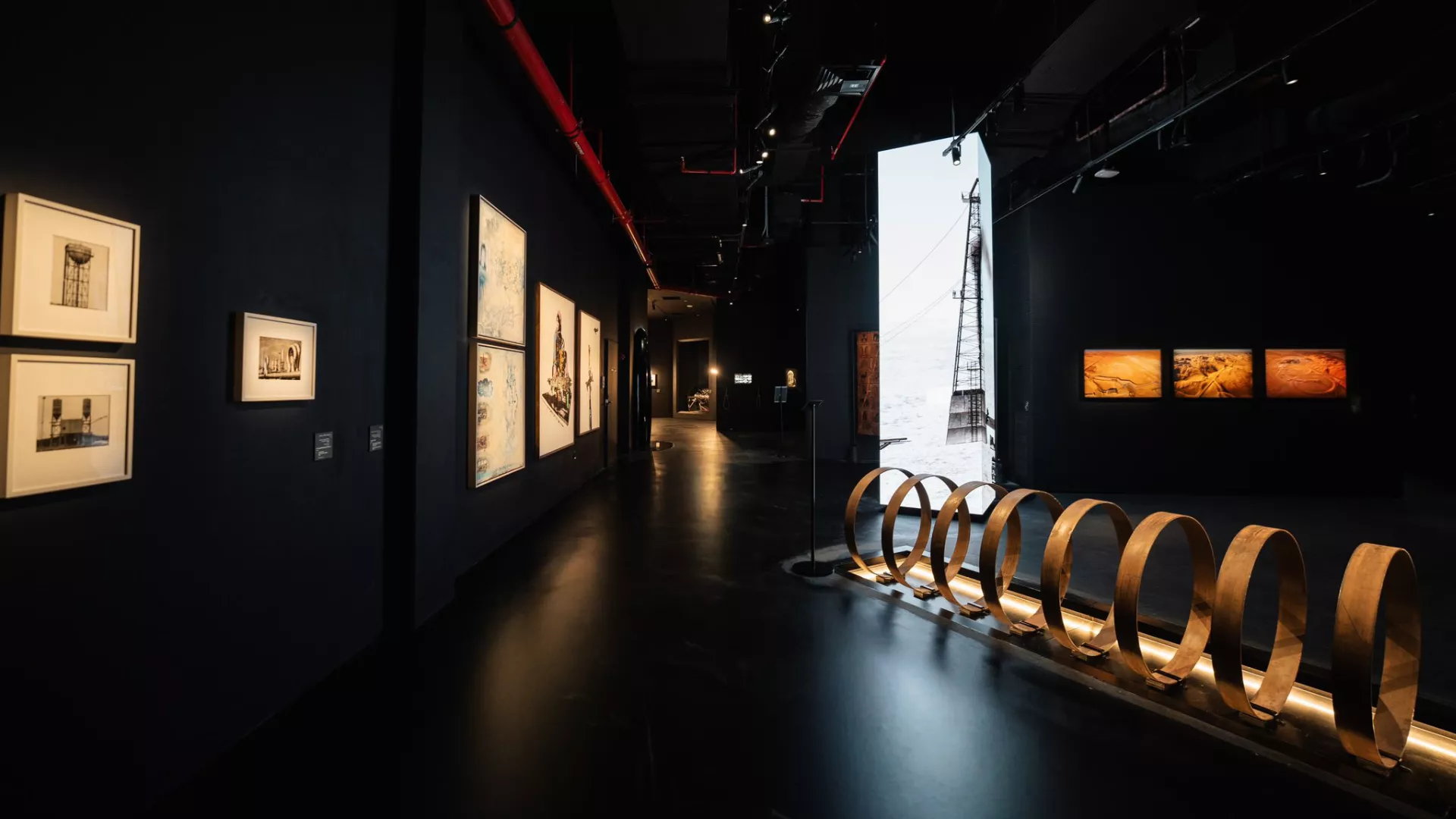
Inside the Museum: What You Can Expect
One of the strongest features of the Black Gold Museum is its thematic structure. The museum is organized into four interactive sections: Encounter, Dreams, Doubts, and Visions. These are not just gallery names. They shape the visitor journey from discovery to reflection.
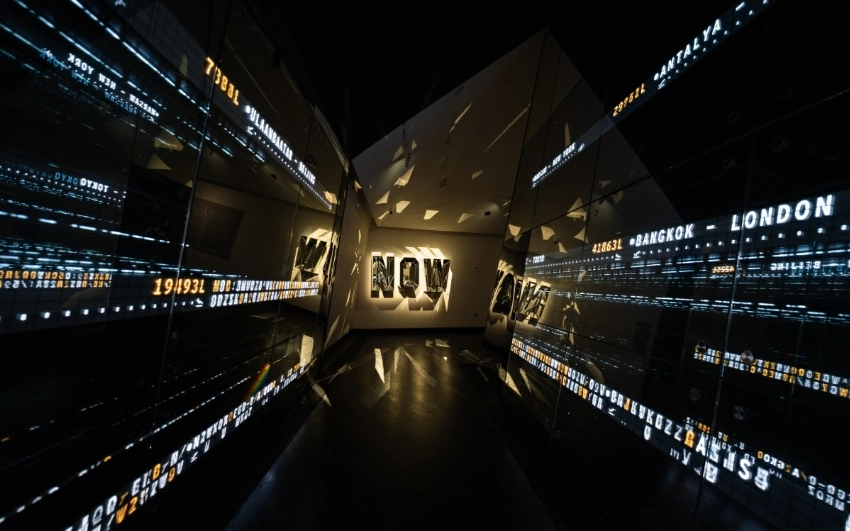
1) Encounter
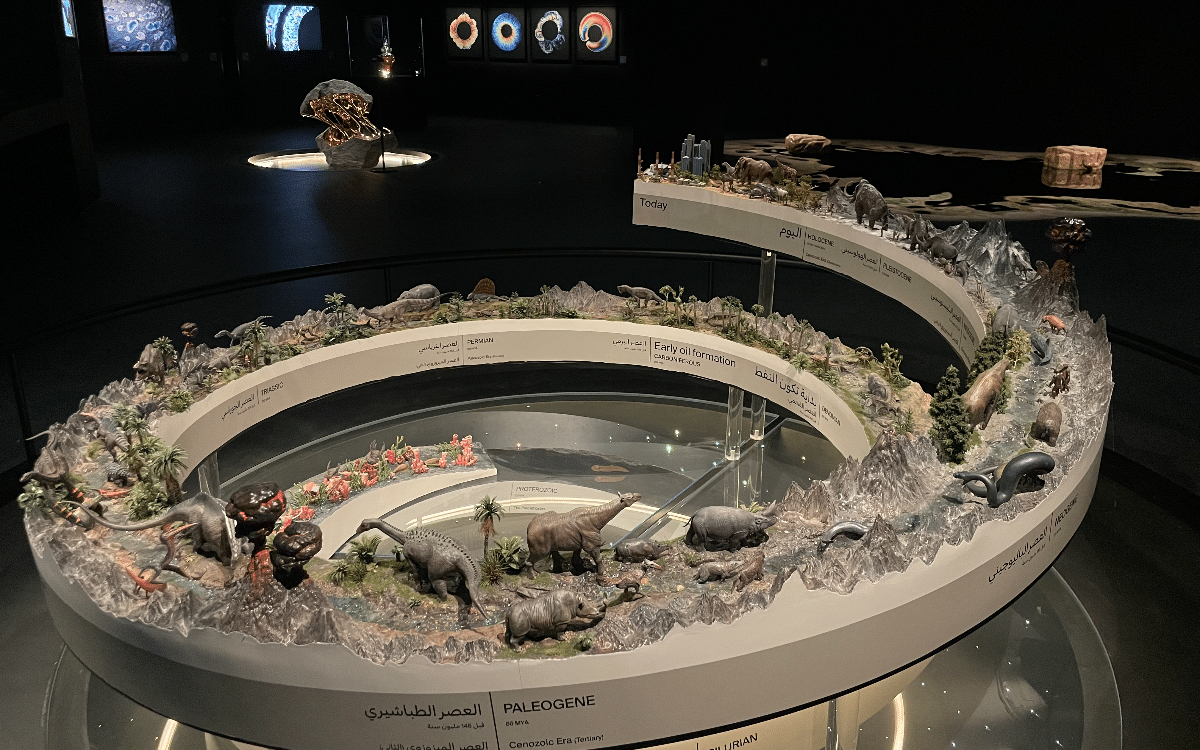
This section introduces the story of oil’s discovery and early uses, especially in the 19th century, and explores its role in accelerating industrialization. It helps visitors understand the beginnings of the petroleum era and why oil became such a transformative global force.
2) Dreams
“Dreams” looks at the period when oil became associated with growth, possibility, and large-scale transformation. In a Saudi context, this theme resonates strongly. Oil is not just a commodity in the Kingdom’s history; it is connected to modernization, infrastructure, mobility, and an era of bold national development.
3) Doubts
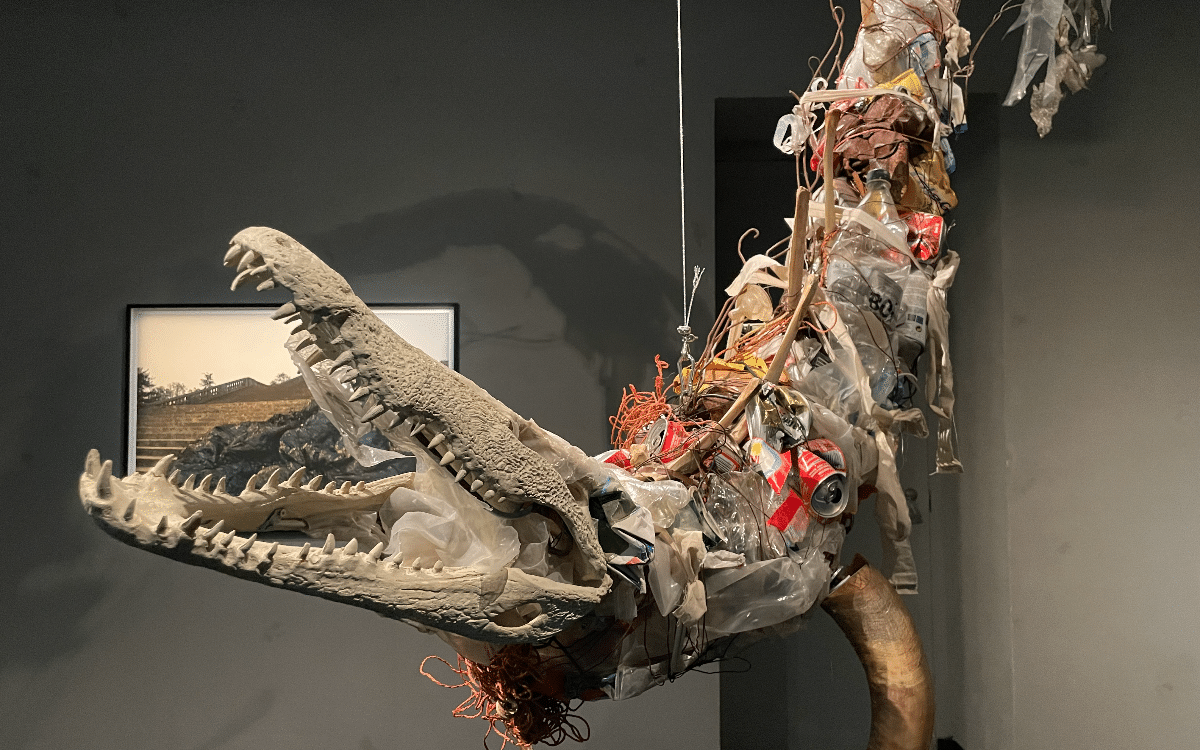
This section brings a more critical dimension. It reflects on the complexities of reliance on oil and the wider consequences of the petroleum age. That makes the museum more than celebratory. It is also analytical, creating room for visitors to consider the tensions that have long surrounded energy, industry, environment, and geopolitics.
4) Visions
The final section turns toward the future through dialogue and discovery. Rather than ending with a fixed conclusion, the museum invites visitors to think forward. That open-ended quality feels particularly relevant in Saudi Arabia today, where conversations about innovation, sustainability, and economic diversification are central to the national mood.
Art, Not Just Artifacts
Another reason the Black Gold Museum feels distinctive is its use of modern and contemporary art as a storytelling medium. The museum includes artworks, installations, photography, multimedia, visual performances, and historical documentation. The variety matters because oil’s impact is too large to be captured through text panels alone. Art allows the museum to approach the subject emotionally as well as intellectually.
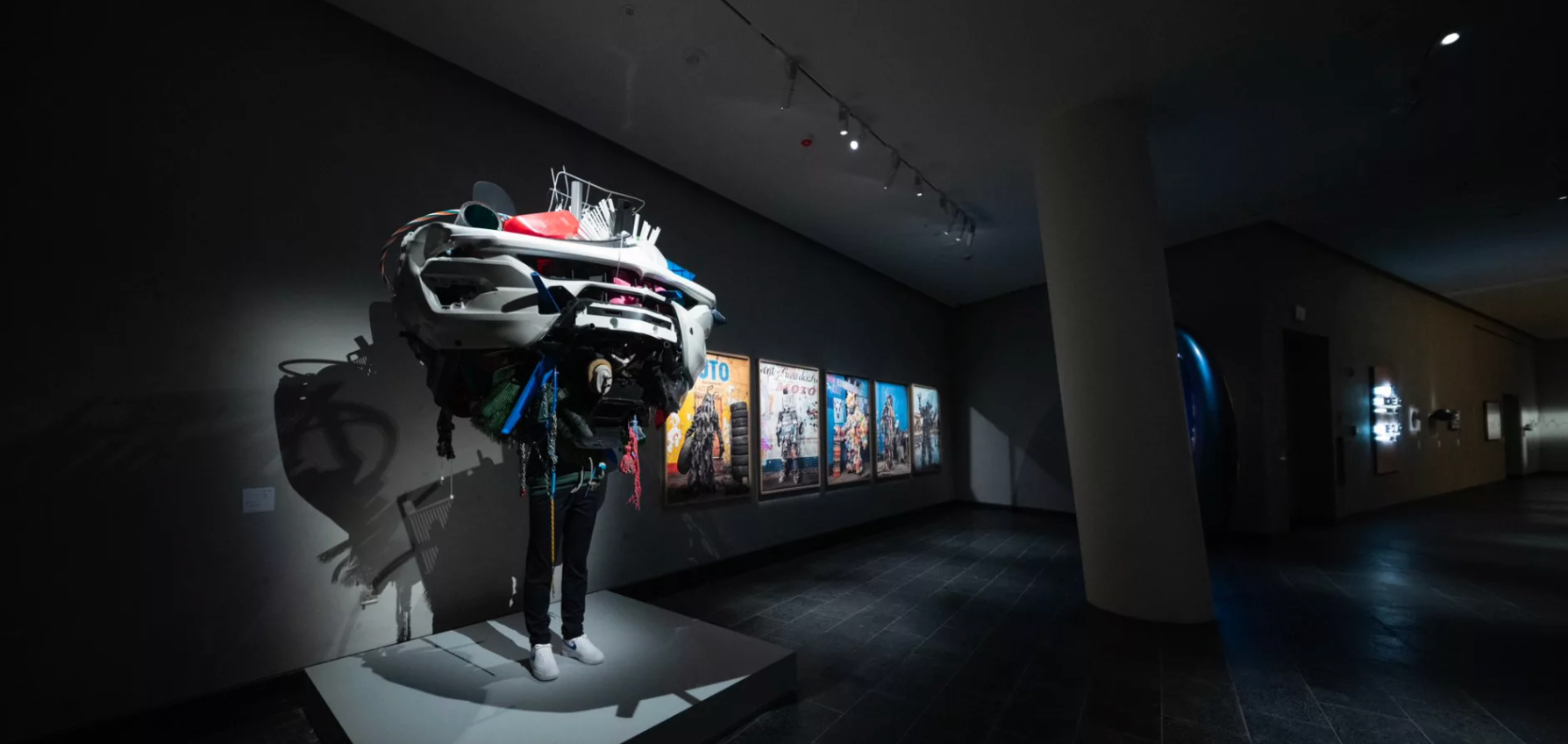
This also means the museum can appeal to very different audiences. A visitor with an interest in Saudi history will find one kind of value. An art lover will find another. Students, families, tourists, and architecture fans can all connect with the experience from different entry points. The museum was designed to attract a wide range of visitors, including families, students, tourists, and visual arts enthusiasts.
The list of artists reported in opening coverage further signals the museum’s ambition. Featured names include Saudi artists such as Manal AlDowayan, Ahmed Mater, Muhannad Shono, Mohammad Alfaraj, and Ayman Zedani, alongside international artists such as Doug Aitken, Jimmie Durham, Alfredo Jaar, and Dennis Hopper. That combination gives the museum both local grounding and global reach.
The Setting: Why KAPSARC Adds to the Experience
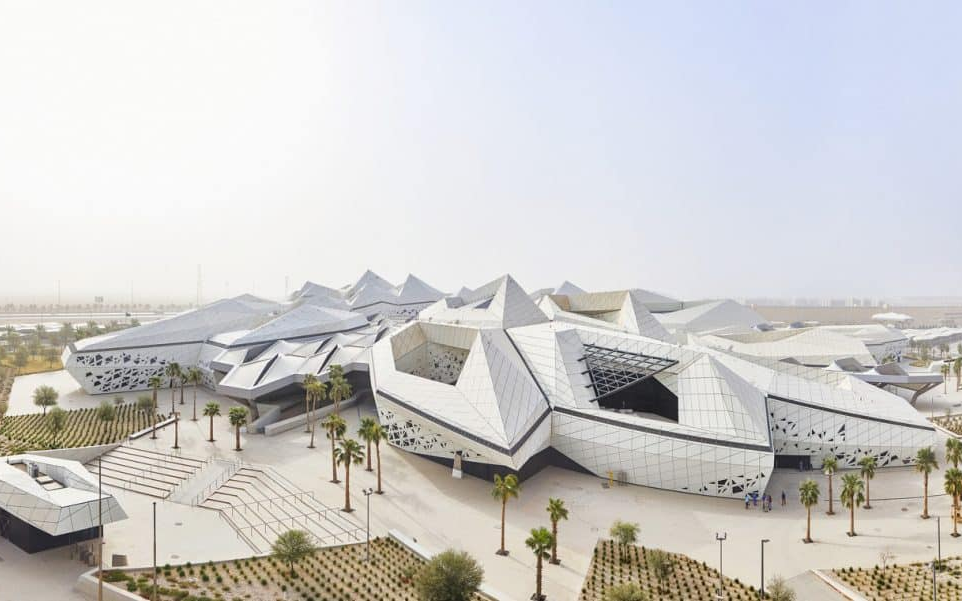
The Black Gold Museum is located at KAPSARC, one of Riyadh’s most recognizable architectural sites. KAPSARC’s campus was designed in collaboration with Zaha Hadid, and the center describes the project as an iconic Riyadh campus inspired by interlocking hexagonal cells. For many visitors, the setting alone is worth the trip.
That setting is more than a backdrop. KAPSARC is associated with research, energy thinking, and future-focused conversation, so it is a fitting home for a museum about oil’s legacy and ongoing significance. The architecture adds visual drama, while the institution behind the site brings an intellectual layer that complements the museum’s themes. If you enjoy cultural spaces where design and subject matter reinforce each other, this is one of Riyadh’s stronger examples.
Practical Visitor Information
The Black Gold Museum in Riyadh is listed with opening hours of Monday to Thursday from 10:00 AM to 10:00 PM and Friday to Saturday from 4:00 PM to 10:00 PM. Because museum schedules can change around holidays, events, or seasonal programming, it is a good idea to confirm current timings through official channels before heading out.
The museum is located at KAPSARC in Riyadh, making it a practical addition to a wider city itinerary focused on culture and architecture. Depending on your schedule, you could pair it with another museum stop, a café visit, or a design-led evening in the capital. For travelers building a more curated Riyadh experience, this is the kind of attraction that works well in a half-day cultural plan rather than as a rushed add-on.
Who Should Visit?
The Black Gold Museum in Riyadh will likely appeal most to:
- Travelers interested in Saudi culture beyond the usual landmarks
- Museum-goers looking for something more contemporary and idea-driven
- Students and researchers curious about energy, society, and visual storytelling
- Architecture enthusiasts visiting KAPSARC
- Residents seeking a new cultural experience in Riyadh
It is also a smart recommendation for first-time visitors to Riyadh who want one attraction that says something meaningful about the Kingdom’s past and present. Oil is inseparable from Saudi Arabia’s modern story, but the museum presents that story in a way that feels open, nuanced, and accessible rather than purely technical.
Final Thoughts
The Black Gold Museum in Riyadh is a sign of how Saudi Arabia is choosing to tell its own story. By placing oil at the center of an art-led, visitor-friendly experience, the museum transforms a familiar subject into something more layered and memorable. The museum offers local relevance, global context, strong architecture, and a fresh perspective on a subject that has shaped the Kingdom for generations.
Visit with curiosity, take your time, and let the museum challenge the way you think about energy, modern life, and Saudi Arabia’s place in the wider world.